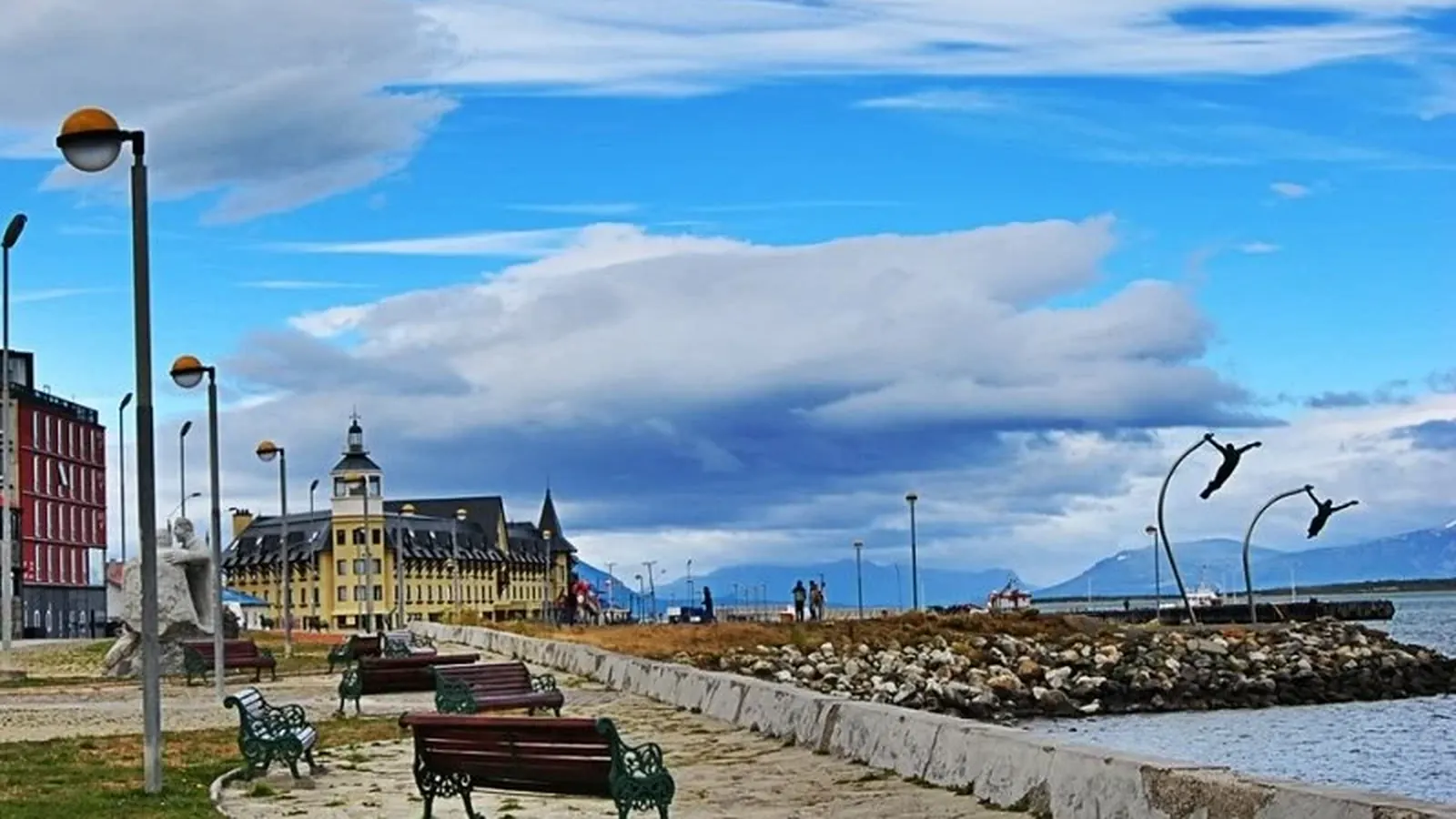
Puerto Natales was not created simply as a gateway for modern tourism. Its history includes Indigenous presence, exploration and settlement, sheep ranching, industrial processing, migration and organised labour. Understanding those layers changes the way an international visitor reads the waterfront, Puerto Bories and the town museum.
The story begins before the town
The Municipal Historical Museum includes the Aónikenk and Kawésqar peoples in its account of local social and cultural history. This matters because Última Esperanza should not be described as an empty landscape waiting for twentieth-century development.
Visitors should approach Indigenous names and objects through responsible museum and heritage sources. They represent complex histories and living identities, not decorative background for a travel story.
The 1911 founding and a changing population
Memoria Chilena records the official founding of Puerto Natales in 1911. The town grew within a broader reorganisation of Última Esperanza and an economy increasingly shaped by sheep ranching, trade and the movement of workers.
People arrived from different regions and countries. Migration from the Chiloé archipelago became particularly important to the workforce, while European immigrants also participated in commerce and local organisations. Culture emerged through work, family networks, mutual support and conflict rather than from one single origin.
Bories: industrial heritage and labour history
The former Bories cold-storage and processing complex operated during the expansion of the sheep industry. Chile’s National Monuments Council recognises its historic and architectural significance; the complex was declared a National Historic Monument in 1996.
The buildings show the scale of the industrial system connected to Puerto Natales. Yet architecture alone can hide the people who kept that system running. Workers in processing, workshops, transport and related services were central to the town’s development. Memoria Chilena also documents labour conflict in 1919, an episode that complicates any simple story of economic progress.
If you visit Puerto Bories, first verify current access conditions with the organisation responsible for the site. Read it as industrial heritage, not only as a restored photo location.
Use the Municipal Historical Museum as your orientation point
Chile’s official Museum Registry identifies the Municipal Historical Museum as the local institution preserving and communicating this history. Its themes include Indigenous peoples, settlement, everyday life and industrial development.
Opening hours, admission and temporary access may change, so check directly before walking over. Visiting early in your stay gives you a framework for recognising later references along the waterfront and around town.
What few destination guides mention
Local culture cannot be reduced to a festival date or a regional meal. Costumbrista events may be valuable community occasions, but programmes and venues must be confirmed each year through the municipality or official organiser. An archived event page is not a current calendar.
The local story also includes unequal economic power, demanding labour and competing interpretations of development. Responsible cultural tourism makes room for those tensions instead of turning working history into a romantic backdrop.
Summary
- The territory’s history predates the official 1911 founding.
- The municipal museum includes Aónikenk and Kawésqar history, settlement and industry.
- Bories helps explain Puerto Natales as an industrial and working town.
- Its monument status protects important industrial heritage, not a single narrative.
- Museum schedules and cultural events require current confirmation.
Related reading
- Responsible coastal walks in Puerto Natales
- Viewpoints around Puerto Natales
- Getting to and around Puerto Natales
Stay in town long enough to understand it
Estepa Patagónica cabins can be a base for visiting the museum, walking through town and returning to heritage sites with better context. Check availability on the official website or contact the official WhatsApp listed there. Always verify current access, hours and event information with the responsible institution.