Puerto Natales offers an accessible introduction to coastal birdwatching, but a good outing is measured by how little you disturb the birds. Keep enough distance for each animal to continue feeding, resting or moving normally. Never feed wildlife, enter nesting areas or close the gap simply for a photograph.
Begin with habitat, not a checklist
The town waterfront is a practical starting point because it lets visitors look across the edge of Última Esperanza Sound from an urban route. Stay on established public circulation areas and scan the water, shoreline and sky. Learning where a bird is feeding and how it moves is often more useful than immediately guessing its name.
Do not arrive with a guaranteed species list. Birds respond to season, time of day, food, breeding cycles and local conditions. A record from last week or an image posted by another traveller does not promise the same encounter.
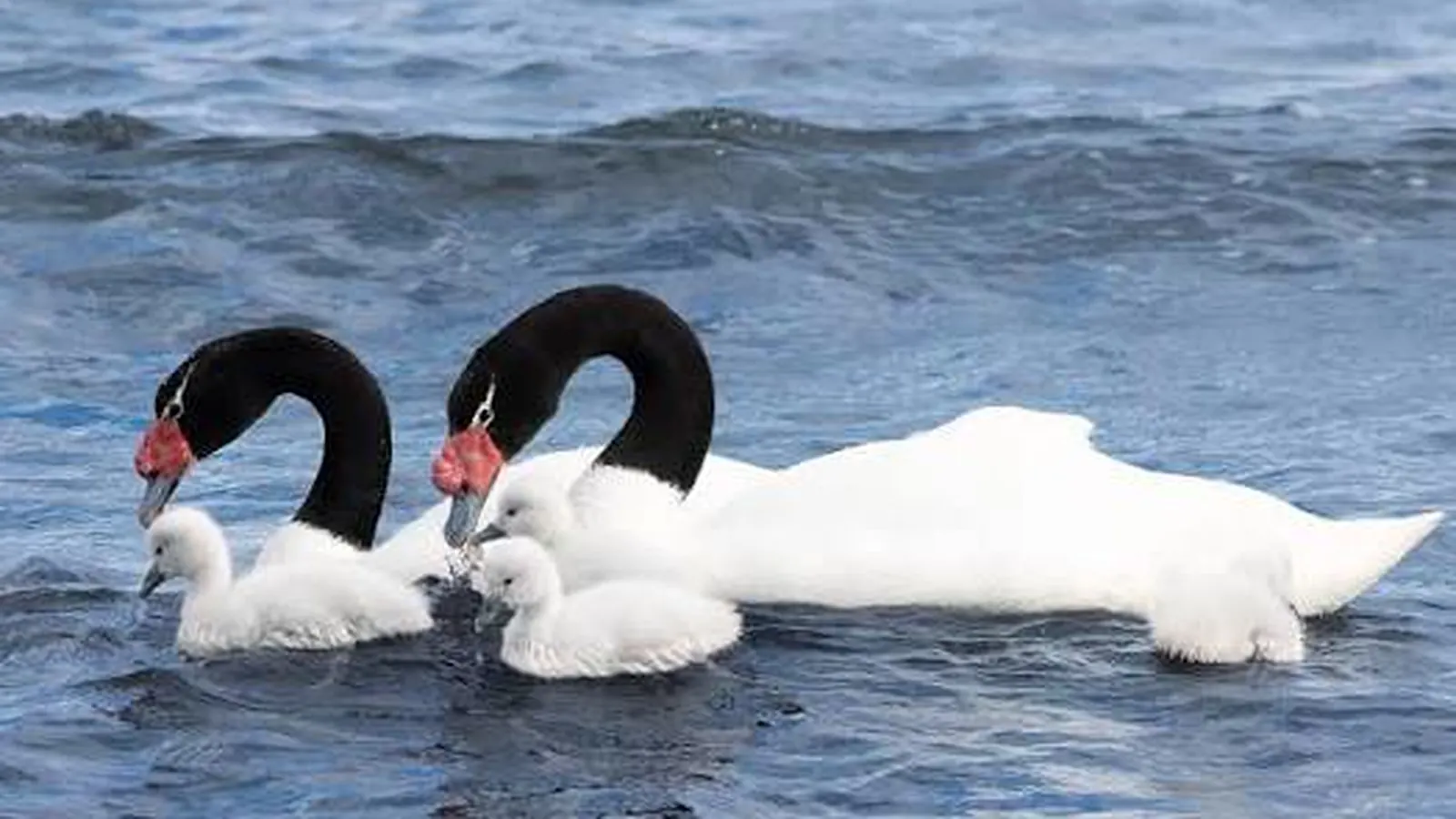
The black-necked swan is listed in Chile’s official species classification system and has a distinctive white body and dark neck. It is a useful example when learning the shape and behaviour of waterbirds. However, mentioning it here, or using it in proposed artwork, is not a guarantee that it will be present on your visit.
A low-impact observation routine
- Stop at a distance and watch before moving closer.
- Use binoculars or optical zoom rather than approaching.
- Keep voices low and movements slow.
- Never feed, touch, chase or surround a bird.
- Back away if the animal changes direction, interrupts feeding or reacts to you.
- Keep out of vegetation, nests, closed areas and unofficial shoreline tracks.
Chile’s Agricultural and Livestock Service, SAG, advises the public not to handle wild animals. If a bird appears injured, sick, dead or unable to move normally, avoid contact and report it to the authority. Do not transport it to your accommodation.
Within a protected area, CONAF visitor rules apply. Remain on authorised trails, remove all waste and follow closures and ranger instructions.
What to bring and how to keep useful notes
Binoculars, a notebook or note-taking app, and weather-appropriate clothing are enough for a first outing. Record the date, time, habitat, behaviour, approximate size and visible field marks before assigning a species name. “Unconfirmed waterbird” is a better record than a confident but incorrect identification.
Avoid playing recorded calls to draw birds closer. Skip flash photography at short range and do not use a drone around wildlife. If you find a nest, do not publish its precise location. The welfare of the animal matters more than a complete media post.
What few birding guides mention
Staying still often reveals more behaviour than walking after every bird. The waterfront is also a shared urban space: families, bicycles, traffic, dogs and changing activity levels affect what you may see. Choose a quiet position without obstructing other users and be prepared to leave without a rare sighting.
Identification should separate observation from inference. Distance, backlight and scale can be deceptive. Specialist field guides and community databases can help later, but community records are secondary evidence and should not be treated as a live guarantee.
Summary
- Start from public, established routes.
- Use binoculars and keep a distance that preserves normal behaviour.
- Never feed or handle wildlife.
- Report injured or abnormal birds to SAG instead of intervening.
- Record evidence first and confirm identification later.
Related reading
- Responsible coastal walks near Puerto Natales
- Ethical wildlife watching near Puerto Natales
- Viewpoints around Puerto Natales
Stay long enough to observe patiently
Estepa Patagónica cabins offer a base for a slow waterfront walk, reviewing notes and planning another observation without chasing wildlife. Check availability on the official website or use the official WhatsApp listed there. We can help with accommodation; wildlife sightings remain unpredictable and are never guaranteed.